Ventilation Education
Household ventilation, explained simply
Ventilation brings fresh outdoor air in and moves stale or moist air out. Here is how the most common household ventilation methods work.
01
Natural ventilation
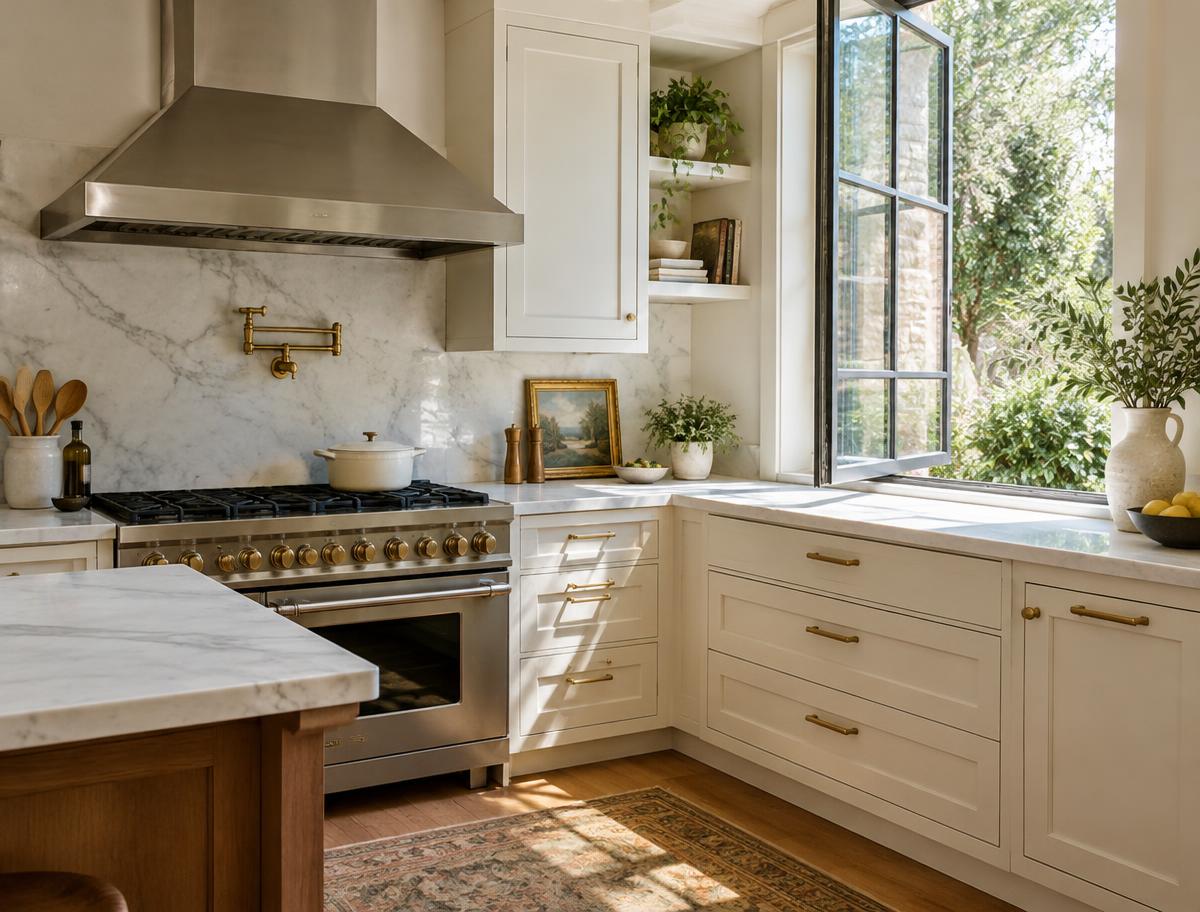
Opening windows on opposite sides of a home can create cross ventilation, allowing air to flow through living spaces.
- Open windows on opposite walls to encourage cross breezes.
- Check outdoor conditions such as pollen and smoke before airing out.
- Short, regular airing can refresh rooms without large energy loss.
02
Exhaust fans and range hoods
Spot ventilation removes moisture and cooking byproducts where they are created.
- Run the range hood while cooking and for several minutes after.
- Choose hoods that vent outdoors when possible rather than recirculate.
- Run bathroom fans during showers and for a short time afterward.
03
Mechanical whole-home ventilation
Some homes use dedicated systems that exchange indoor and outdoor air. A qualified HVAC professional can explain which options suit a specific home.
04
Household ventilation checklist
A simple seasonal checklist many homeowners find helpful:
- Confirm kitchen and bath fans turn on and move air.
- Clean range hood grease filters.
- Make sure dryer vents are clear and vent outdoors.
- Check that vents and returns are unobstructed.
- Note any rooms that feel stuffy or humid.
Continue learning with Airwise Home
Optional SMS tips
Gentle reminders for a fresher home
Indoor air quality tips, ventilation reminders, educational environmental updates, and household air awareness guides. Subscribing is optional, and every guide stays free to read.
Subscribe to Indoor Air Tips